Should I Have One or Two Driving Lessons a Week?
Should I Have One or Two Driving Lessons a Week?
One of the questions we regularly get asked by learners having driving lessons in Telford is whether they should have one lesson a week or two. There isn't one answer that is right for everybody because it depends on how quickly you want to progress, how much time you have available and, realistically, what you can afford. However, after teaching learners for many years, one thing is fairly consistent: the more regularly you practice something, the quicker you generally become good at it.

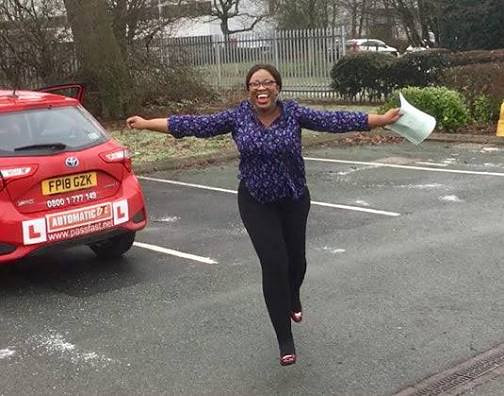
Driving lessons Telford
Learning to drive is no different from learning to play the guitar, playing football or developing any other practical skill. You can understand what you're supposed to do, but you still need repetition before those skills start to become natural. If you have two driving lessons a week, there is less time between lessons to forget what you learned, which usually means we can spend more time moving forward rather than going back over things from the previous lesson.
That doesn't automatically mean everybody should book as many driving lessons as they possibly can. There is a balance, and the quality of the practice matters just as much as the quantity.
Will I Learn to Drive Faster With Two Lessons a Week?
Will I Learn to Drive Faster With Two Lessons a Week?
Generally, yes. If two learners have similar ability and circumstances, but one has one hour of professional tuition each week and the other has two or three hours, you would normally expect the learner having more regular tuition to progress more quickly.
Two lessons a week doesn't necessarily mean two one-hour lessons either. Some learners might have two one-hour sessions, while others might choose two 90-minute lessons, giving them three hours of professional driving tuition each week.
From my experience, learners having two sessions a week tend to retain more from their previous lesson. Their skills develop faster and their confidence often improves more quickly because they are repeatedly putting into practice what they have just learned.


Why regular lessons help
If we work on roundabouts on Monday, for example, and you're back in the car on Thursday, what we covered is usually still reasonably fresh in your mind. We can recap it, practice it again and start developing the skill further. Leave a much longer gap and sometimes part of the next lesson has to be spent getting back to where we finished previously.
That doesn't mean you're starting again every week, but those small differences can add up over several months.
Is Three Hours of Driving Lessons a Week Too Much?
Not necessarily. For the right learner, two 90-minute lessons can work extremely well because you're getting three hours of tuition spread across the week rather than trying to cram everything into one session.
What matters is whether you can cope with it.
I've seen situations where somebody finishes work at five or six o'clock, jumps almost immediately into the driving-school car and tries to concentrate on a driving lesson. Their mind isn't necessarily on driving; they're tired from work, thinking about what they need to do when they get home and perhaps haven't eaten properly.
In those circumstances, adding more driving lessons isn't necessarily going to make somebody learn faster. In fact, it can become counterproductive because they simply don't have the concentration required to get the full benefit from the lesson.
Driving lessons require quite a lot of mental effort, particularly during the early stages. You're observing, making decisions, controlling the car, dealing with other road users and trying to remember what you've previously learned, all at the same time.
More frequent lessons are usually beneficial, providing you can afford them and, just as importantly, you can physically and mentally cope with them.
One Lesson a Week Can Still Work Very Well
There is sometimes a feeling that having one driving lesson a week isn't enough, but that isn't necessarily true. Plenty of people learn successfully with one regular lesson each week.
It might take longer in terms of calendar weeks, but you're still moving forward.
If your budget allows you to have one lesson every week, I would much rather see you do that consistently than have two or three lessons a week for a short period, run out of money and then not drive for several weeks.
Those long gaps are where progress can start to suffer. Skills become rusty, confidence can drop and when you eventually return we might have to spend part of the lesson rebuilding something you could previously do reasonably well.
One lesson every week maintains that regular contact with driving. The steps might be smaller, but you're continuing to take them.
A Real Example: How Sarah Changed Her Driving Lessons
One learner who demonstrates the difference particularly well was Sarah.
Sarah was struggling while having one hour of driving tuition each week. It wasn't necessarily that she couldn't learn the skills; there was simply quite a long gap between relatively short periods of practice.
Her circumstances changed and she was able to reorganise her schedule, so we changed her lessons to two 90-minute sessions each week. Rather than putting the lessons on consecutive days, we spread them out, with one lesson on Monday and another on Thursday.
That worked particularly well because there was enough time between the lessons for her to process what we'd covered, but not so much time that everything started becoming distant again.
Sarah was also able to get private driving practice between lessons. With the combination of two 90-minute professional lessons each week and sensible private practice, her progress changed considerably and she reached test standard within around five weeks.
It's a good example of why I don't think the question should simply be, "How long should my driving lessons be?" Frequency, lesson length, private practice and the gaps between each drive all play a part.
Can Private Practice Replace a Second Driving Lesson?
Private practice can be extremely valuable, but there is an important qualification: you need to practise what you're being taught.
If you're having one professional driving lesson each week and then getting another two or three hours of good-quality private practice, that can make a considerable difference to your progress.
The problem I've seen over the years is that learners sometimes go out driving with parents or other family members who don't necessarily know what to look for. They may be very experienced drivers themselves, but being able to drive and being able to identify and analyse somebody else's driving faults are two different things.
A learner might repeatedly make the same mistake without the accompanying driver noticing it. Instead of getting three hours of useful additional practice, they can spend three hours reinforcing a bad habit.
That's why I encourage learners doing private practice to drive in the same way they would in the instructor's car. If we've been working on observations at junctions, positioning at roundabouts or planning ahead, don't suddenly abandon those skills because you're driving with Mum, Dad or a partner.
Practice doesn't automatically make perfect; practice makes things familiar. If you repeatedly practise something incorrectly, the incorrect version can become familiar too.
Should I Increase My Lessons Before My Driving Test?
Increasing the frequency of your lessons can be useful as you get closer to test standard, but I wouldn't recommend suddenly trying to cram everything into the final week before your driving test.
Ideally, the additional lessons should be helping you develop skills rather than desperately trying to repair them at the last minute.
Two sessions a week can give us more opportunities to work on the areas that still need improvement, revisit them a few days later and see whether you can deal with the same situations with less help. Around Telford, that might mean spending time developing your judgement at busy roundabouts, dealing with different speed limits, driving on dual carriageways, tackling country roads or simply becoming more independent in everyday traffic.
The important word there is developing. You're not simply collecting driving hours; each lesson should have a purpose and should move you closer to being able to drive safely and independently.
What If I Have a Limited Budget?
This is where my advice is quite straightforward.
If having two lessons a week means you can only afford to do it for a couple of weeks and then need to stop driving for three or four weeks, I would generally recommend having one lesson every week instead.
Regularity matters.
You might progress in smaller steps, but you're maintaining the learning process and continuing to move forward. You're not constantly stopping, waiting several weeks and then trying to restart.
If your circumstances change later and you realise that you can comfortably afford two sessions a week, then increasing the frequency can make sense. You can always start with one regular lesson and increase it later.
I would never encourage somebody to overstretch themselves financially simply because they think they have to have two lessons every week to learn to drive.
So, Is One or Two Driving Lessons a Week Best?
If time and budget aren't an issue, I generally prefer two well-spaced driving lessons a week because learners tend to retain more, practise more and develop confidence and skills more quickly.
That might be two one-hour lessons or two 90-minute sessions, depending on the individual learner, their experience and what we're trying to achieve.
However, consistency comes first. One driving lesson every week is far better than having several lessons close together and then disappearing from the driver's seat for weeks at a time.
Think about three things:
How quickly do you want to progress?
How much time can you realistically commit each week?
What can you comfortably afford to maintain?
If you can manage two sessions a week without becoming tired, rushed or financially stretched, the additional practice will usually help you progress more quickly. If one lesson a week fits your life and budget better, keep it regular and keep moving forward.
After years of teaching learners, that's the part I think sometimes gets overlooked. Learning to drive isn't a race to accumulate a particular number of hours; it's about developing the knowledge, judgement, confidence and practical skills to drive safely without somebody sitting next to you telling you what to do.
Whether that takes one lesson a week or two, regular, good-quality practice is what ultimately makes the difference.